一个新的月球陨石坑:麦克格钦
(原标题: A New Lunar Crater: McGetchin)
2026-09-23
浏览次数: 1588
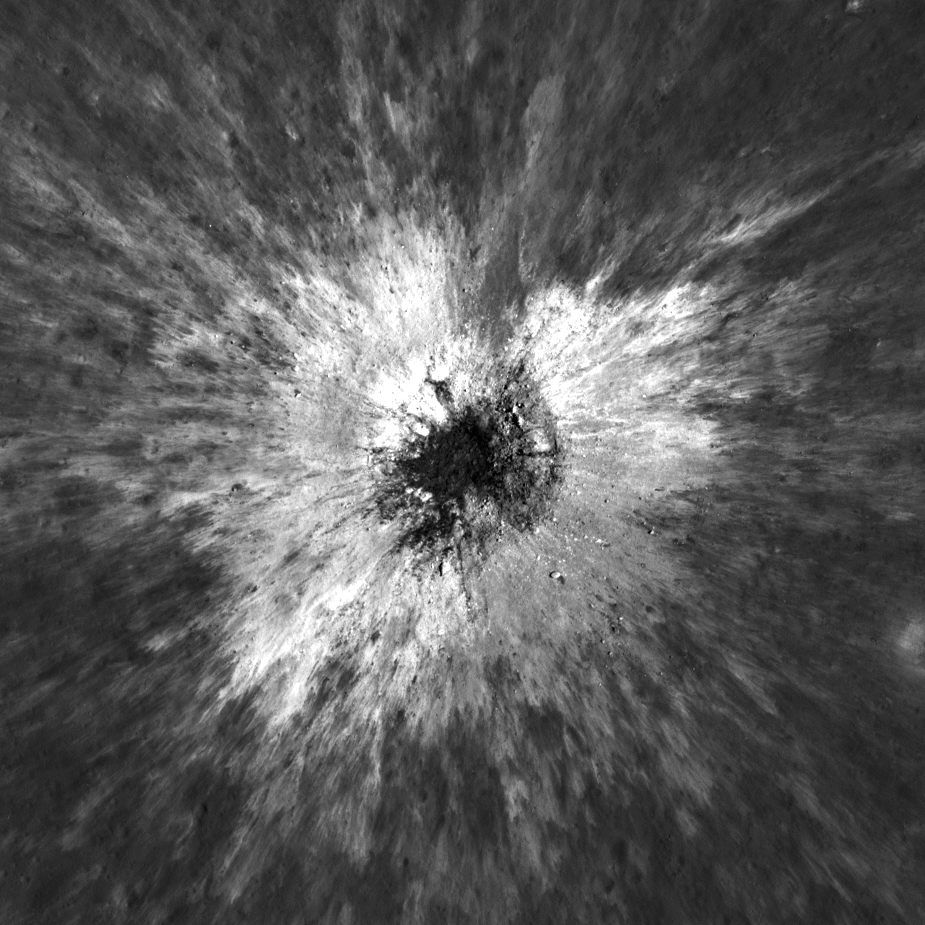
月球上出现了一个千载难逢的陨石坑!2024年4月至5月之间的某个时候,一颗彗星或小行星与座头鲸大小(大约10-20米,30-60英尺)相撞。月球勘测轨道飞行器(LRO)每月对月球进行监测,今天拍摄了月球表面在事件前后的图像。由此产生的陨石坑,以阿波罗时代的月球科学家麦克格钦命名,有两个足球场宽。这种大小的陨石坑每132年才会出现一次!随后的热成像显示,在温暖的陨石坑周围有一个巨大的冷点。月球表面的撞击会使松散的月球沉积物或风化层膨胀,使其密度降低,更难保持热量。这一事件影响的区域比可见的陨石坑大得多,这将为人类了解月球表面的影响和月球表面的演变提供信息。它还提醒我们所有人都要感谢地球的大气层。APOD的图片提交邮件已经更改。请参阅:APOD提交。APOD的主要NASA网站正在迁移:从APOD . NASA .gov到science.nasa.gov/apod
查看原文解释
A once-in-a-lifetime crater has appeared on the Moon! A comet or asteroid roughly the size of a humpback whale (approximately 10-20 meters, 30-60 feet) crashed into the Moon sometime between April and May of 2024. The Lunar Reconnaissance Orbiter (LRO), with its monthly monitoring of the Moon, captured today’s images of the lunar surface before and after the event. The resulting crater, named after Apollo-era lunar scientist McGetchin, is two soccer fields across. Craters of this size are only expected once every 132 years! Follow up thermal imaging revealed a large cold spot that surrounds the warm crater. Surface impacts will puff up the loose lunar sediment, or regolith, making it less dense and harder to retain heat. This event affected an area much larger than the visible crater, which will inform humanity’s understanding of surface impacts and the evolution of the Moon’s surface. It also reminds us all to be thankful for Earth's atmosphere. APOD's email for image submissions has changed. Please see: APOD Submissions. APOD's main NASA site is moving: From apod.nasa.gov to science.nasa.gov/apod